
Energy-Efficient Alternatives to Aging Fluorescent Systems
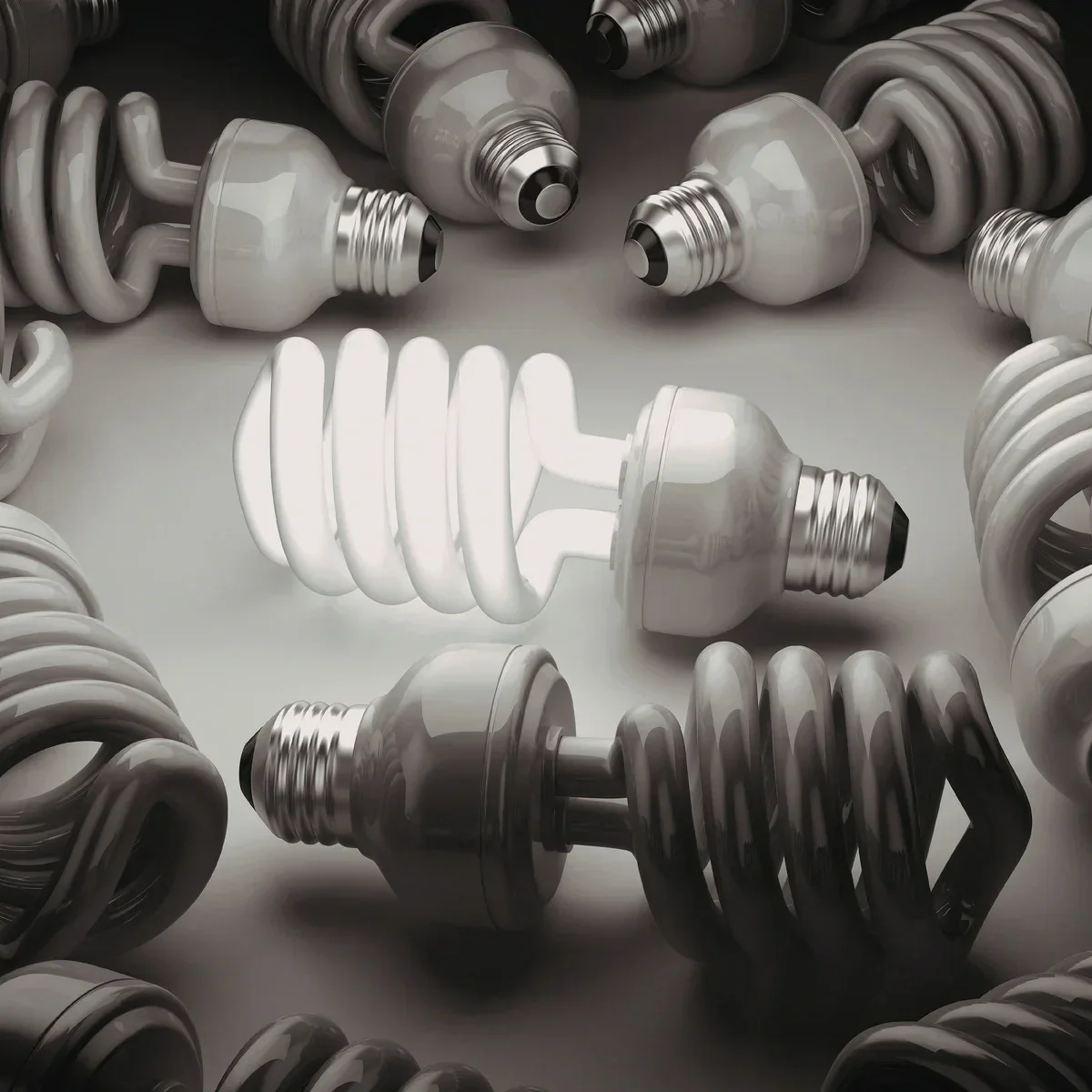
Fortunately, modern energy-efficient alternatives can help businesses reduce their environmental footprint while simultaneously cutting costs.
As demand for energy efficiency continues to rise, businesses are increasingly seeking ways to lower energy consumption and costs. Aging fluorescent lighting systems are a significant source of energy waste, particularly in commercial spaces where lighting is used extensively. These older systems, often paired with outdated fluorescent ballasts, consume more energy than necessary and can be costly to maintain. Fortunately, modern energy-efficient alternatives can help businesses reduce their environmental footprint while simultaneously cutting costs.
The Problem with Aging Fluorescent Systems
Fluorescent lights were once the go-to choice for commercial and industrial spaces due to their greater efficiency than traditional incandescent bulbs. However, as these systems age, they often lose their effectiveness. Fluorescent lights and ballasts degrade over time, leading to flickering, dimming, and inconsistent light output. These concerns are not just annoying—they can also affect productivity and create an uncomfortable atmosphere for employees and customers.
Older fluorescent ballasts are particularly problematic. Magnetic ballasts, which were commonly used in older systems, consume more power and are noisier than modern electronic ballasts. These ballasts are also prone to failure, leading to frequent repairs and replacements. As a result, businesses are left paying for increased energy consumption and ongoing maintenance costs.
Fortunately, switching to energy-efficient alternatives can solve these issues and provide long-term savings.
LED Lighting: The Leading Alternative
LED lighting has become the gold standard for energy-efficient lighting solutions, and for good reason. LED lights use significantly less power than fluorescent bulbs and have a much longer lifespan. While fluorescent lights may last around 20,000 hours, LEDs can last up to 50,000 hours or more, making them a more durable and cost-effective choice.
LEDs also provide superior light quality. They offer bright, consistent illumination without the flickering or dimming associated with aging fluorescent systems. Additionally, LED lights are available in a wide range of color temperatures, allowing businesses to pick the perfect lighting for their space—whether they prefer a warm, soft light or a cooler, more vibrant glow.
Replacing fluorescent systems with LEDs is a straightforward process. In most cases, businesses can replace their old fluorescent bulbs with LED retrofit kits that fit directly into existing fixtures. These kits replace both the bulb and the ballast, eliminating the need for ongoing ballast maintenance.
The Environmental Benefits of LED Lighting
In addition to the cost savings, LED lighting is an environmentally friendly alternative. LED lights consume less power, resulting in lower carbon emissions and a smaller environmental footprint. Businesses that make the switch to LEDs contribute to energy conservation and sustainability, aligning with the growing trend of eco-conscious operations.
LEDs are also free of harmful materials, such as mercury, which is typically found in fluorescent bulbs. When fluorescent lights break or are improperly disposed of, they can release mercury into the environment, posing a significant environmental hazard. By replacing fluorescent systems with LEDs, businesses can eliminate this risk and support cleaner, greener practices.
T5 and T8 Fluorescent Upgrades
For businesses that may not be ready to make the leap to LED lighting, upgrading to more energy-efficient fluorescent options, such as T5 or T8 bulbs, is a good intermediate step. These newer fluorescent bulbs are much more efficient than the older T12 bulbs, which are increasingly being phased out due to their inefficiency. T5 and T8 bulbs provide more light output while consuming less energy, making them a cost-effective solution for those who are not yet ready to completely overhaul their lighting system.
T5 and T8 bulbs also pair well with electronic ballasts, which are more efficient and softer than their magnetic counterparts. While they may not offer the same energy savings as LED lighting, they still present a significant improvement over older fluorescent systems.
Smart Lighting Controls
Another way to improve energy efficiency is by incorporating smart lighting controls into your system. Motion sensors, dimmers, and timers can all help optimize lighting use by adjusting the brightness based on occupancy or time of day. For example, motion sensors can automatically turn lights on when someone walks into a room and off when they leave, reducing wasted energy.
Dimming controls allow businesses to adjust light brightness based on the amount of natural light entering the space. In areas with abundant daylight, lights can be dimmed or turned off, further reducing energy consumption.
Smart lighting controls can be easily integrated with both LED and fluorescent systems, offering an affordable way to maximize energy savings and extend the life of your lighting fixtures.
Cost Savings and ROI
One of the central reasons businesses hesitate to upgrade their lighting systems is the initial cost. However, the long-term savings from switching to energy-efficient lighting far outweigh the upfront investment. Reducing energy consumption alone can lead to significant savings on utility bills. In many cases, businesses can recoup the cost of the upgrade in a few years through energy savings alone.
Additionally, the longer lifespan of LED lights and more efficient fluorescent options means fewer maintenance and replacement costs. With older fluorescent systems, businesses face frequent repairs and ballast replacements. LED and modern fluorescent systems require less maintenance and last longer, resulting in fewer interruptions to daily operations.
Incentives and Rebates for Upgrades
Many utility companies present incentives or rebates to businesses that upgrade to energy-efficient lighting systems. These programs are designed to encourage businesses to switch to more sustainable solutions by reducing the initial installation cost. Be sure to check with your local utility provider to see if any rebates or incentives are available for upgrading to energy-efficient lighting.
Tax incentives for energy-efficient improvements are also available at the federal and state levels. Businesses that invest in energy-efficient upgrades may be qualified for tax deductions or credits, further improving the return on investment for lighting upgrades.
Final Thoughts
The days of relying on outdated fluorescent systems with noisy ballasts and high energy consumption are behind us. Upgrading to energy-efficient alternatives, such as LED or modern fluorescent lighting, can provide substantial savings, improve lighting quality, and reduce environmental impact. Whether you opt for a full LED conversion or a more gradual upgrade to T5 or T8 fluorescent bulbs, the benefits are clear. The savings on energy bills, lowered maintenance costs, and improved workplace comfort make upgrading a smart choice for any business looking to improve its lighting system and bottom line.
Making the switch to energy-efficient lighting is an investment that pays off in more ways than one.
Efficient Electric is a licensed and insured electrician providing a wide range of residential and commercial electrical services to the Phoenix Valley area residents for over a decade. Whether you need fluorescent ballasts upgrade and improvement or looking for tenant improvements, our team can offer lasting solutions. Call now!