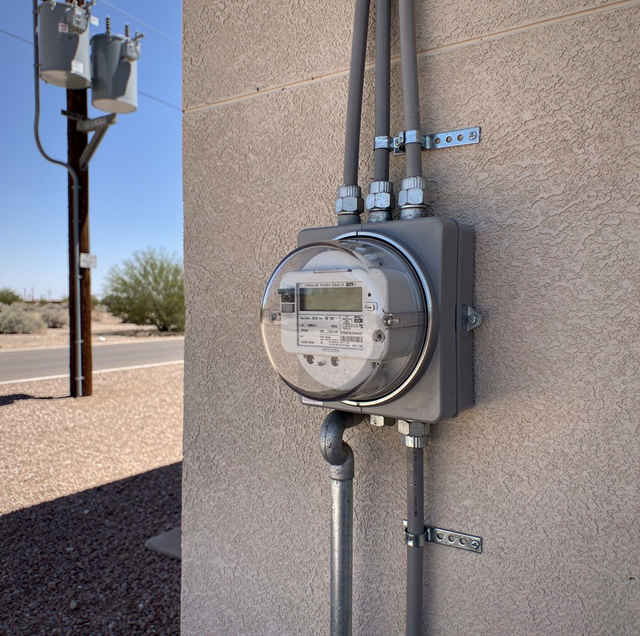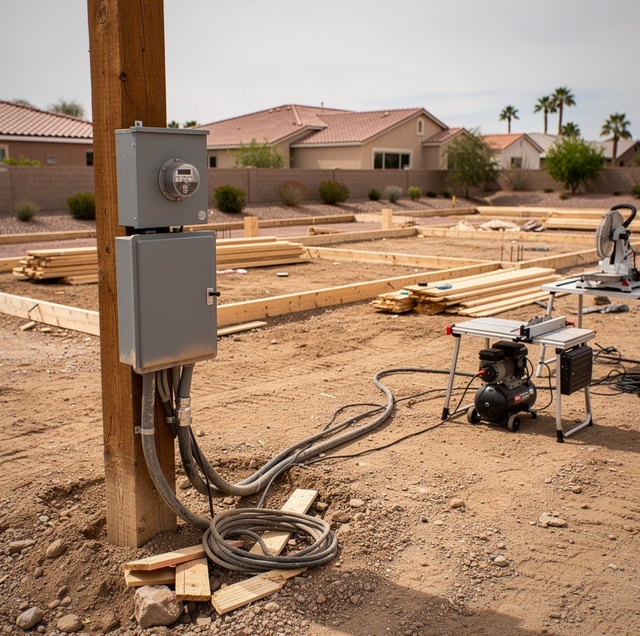
At the edge of the lot stands a post with a meter on it, a small panel bolted underneath, and four cords running off it across bare dirt to a table saw and a compressor.
Read More
At the edge of the lot stands a post with a meter on it, a small panel bolted underneath, and four cords running off it across bare dirt to a table saw and a compressor.
Read MoreThe equipment quote for your build-out came back with a line nobody explained: 208 volts, three-phase.
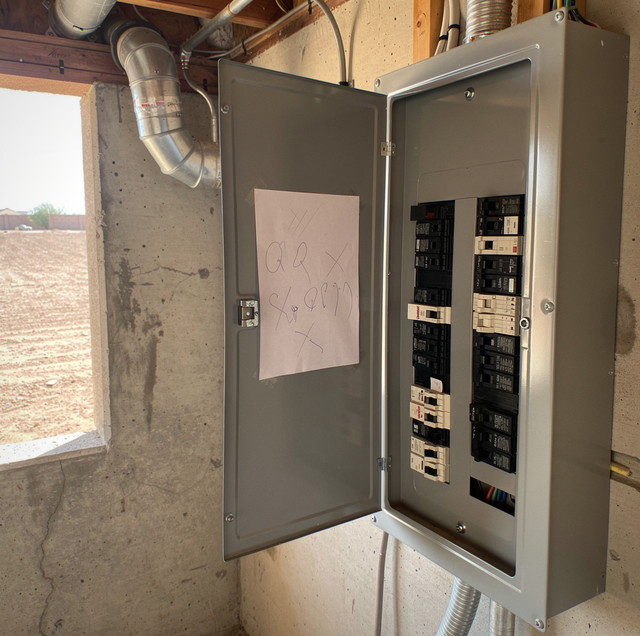
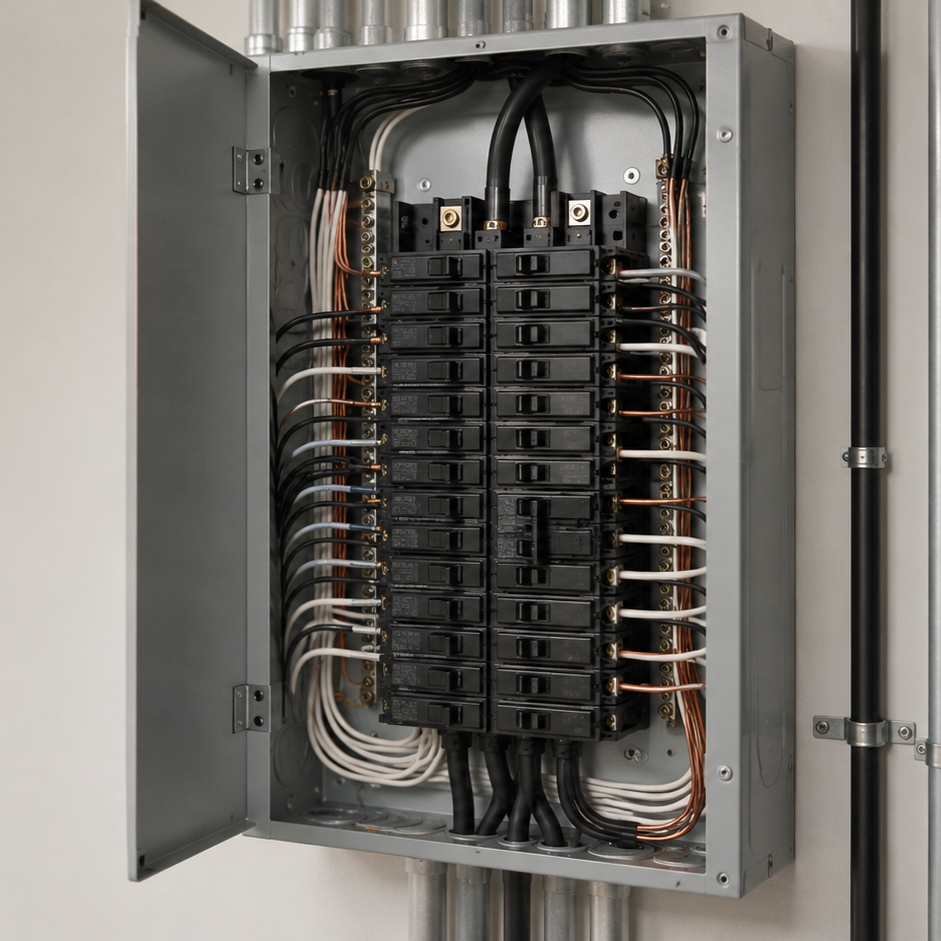
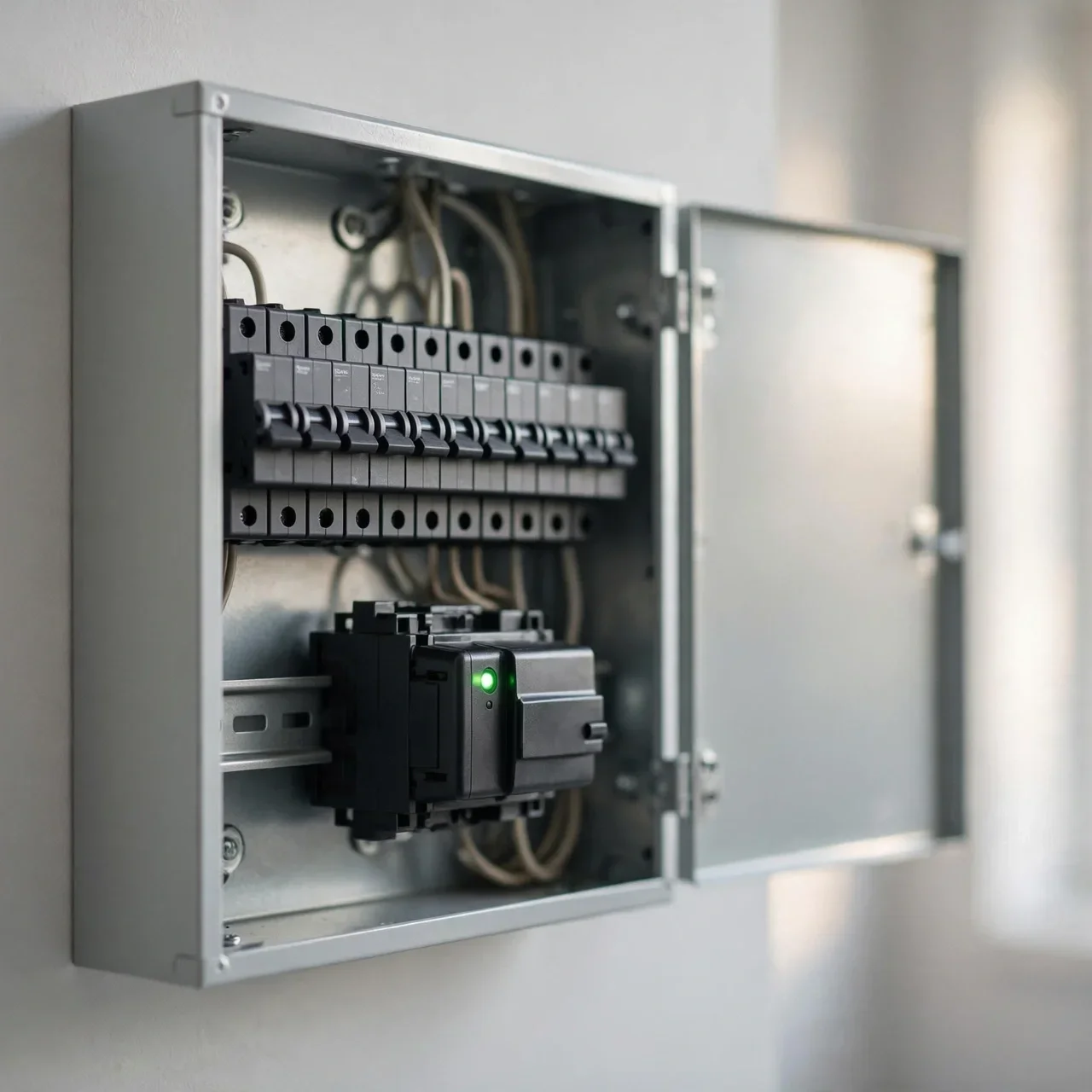
Read MoreThe panel door swings open and the story is right there on the directory card: every line filled in, two of them penciled over where circuits got renamed, and the word SPARE crossed out at the bottom.
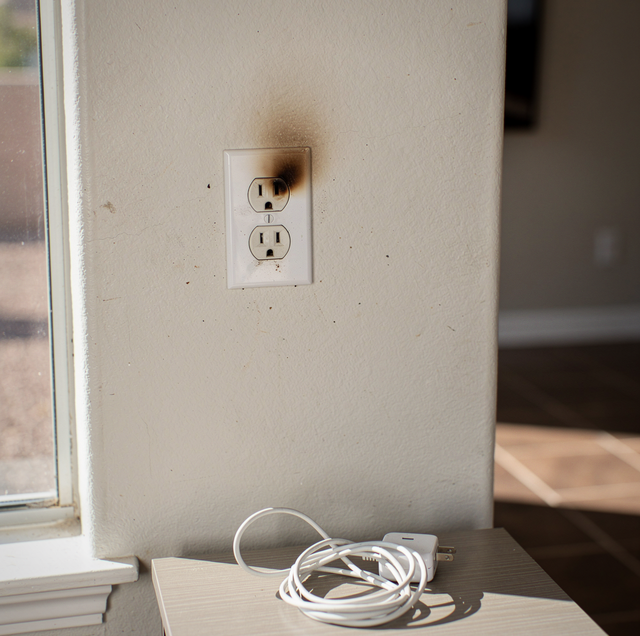
Read MoreYou pull a lamp cord out of the wall and find a tan shadow fanning up from the slot, with a black smudge at its center.
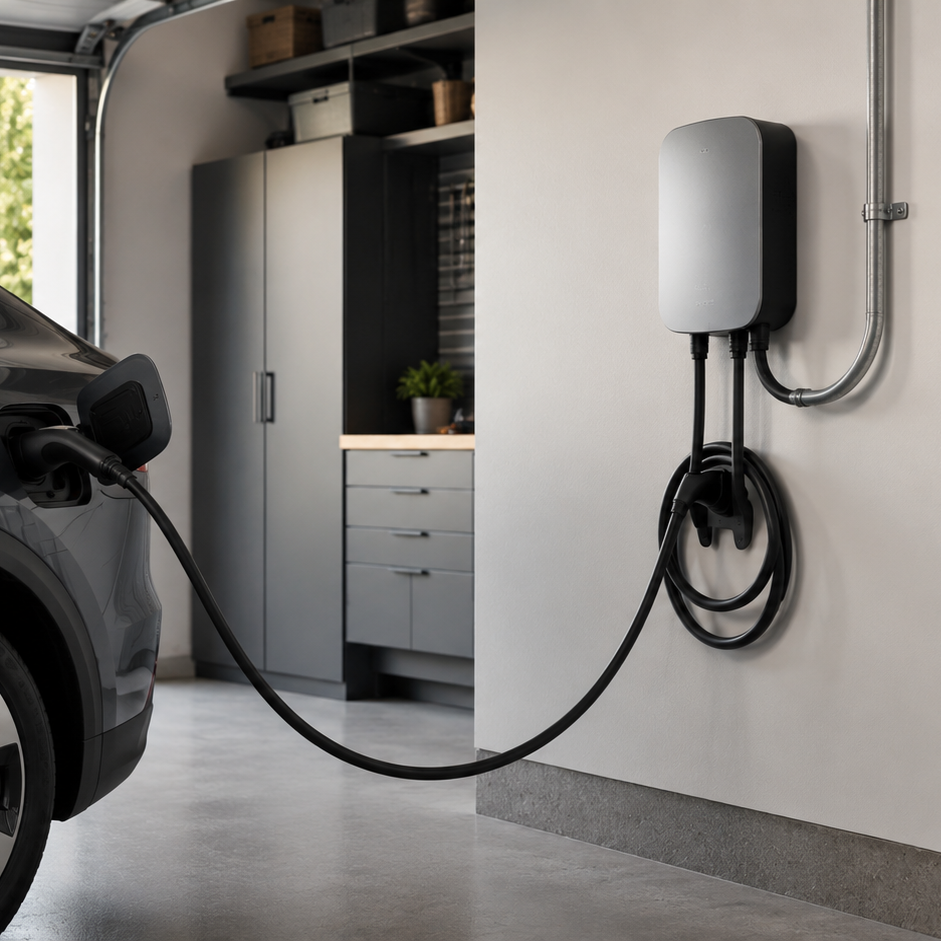
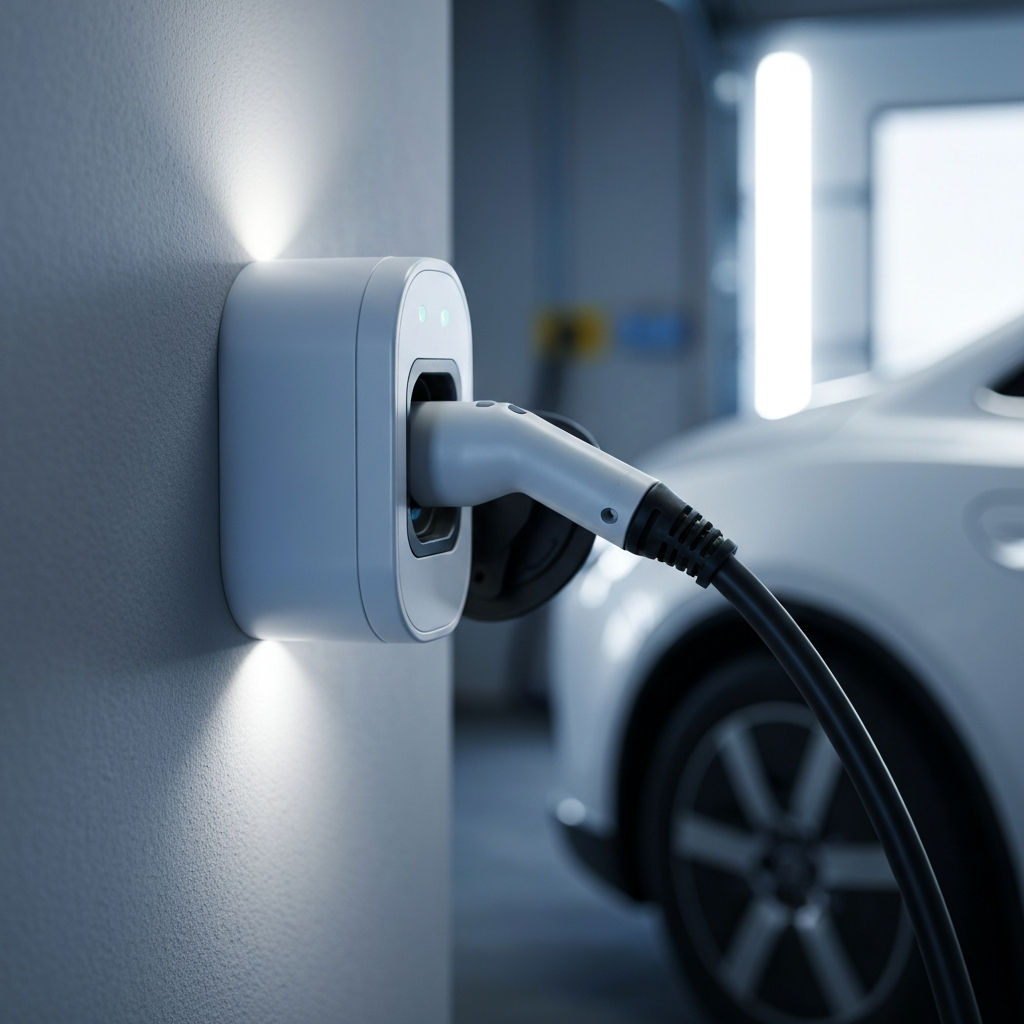
Read MoreMost people picture an EV charger installation as a one-visit job: an electrician shows up, mounts a box on the garage wall, and drives off.
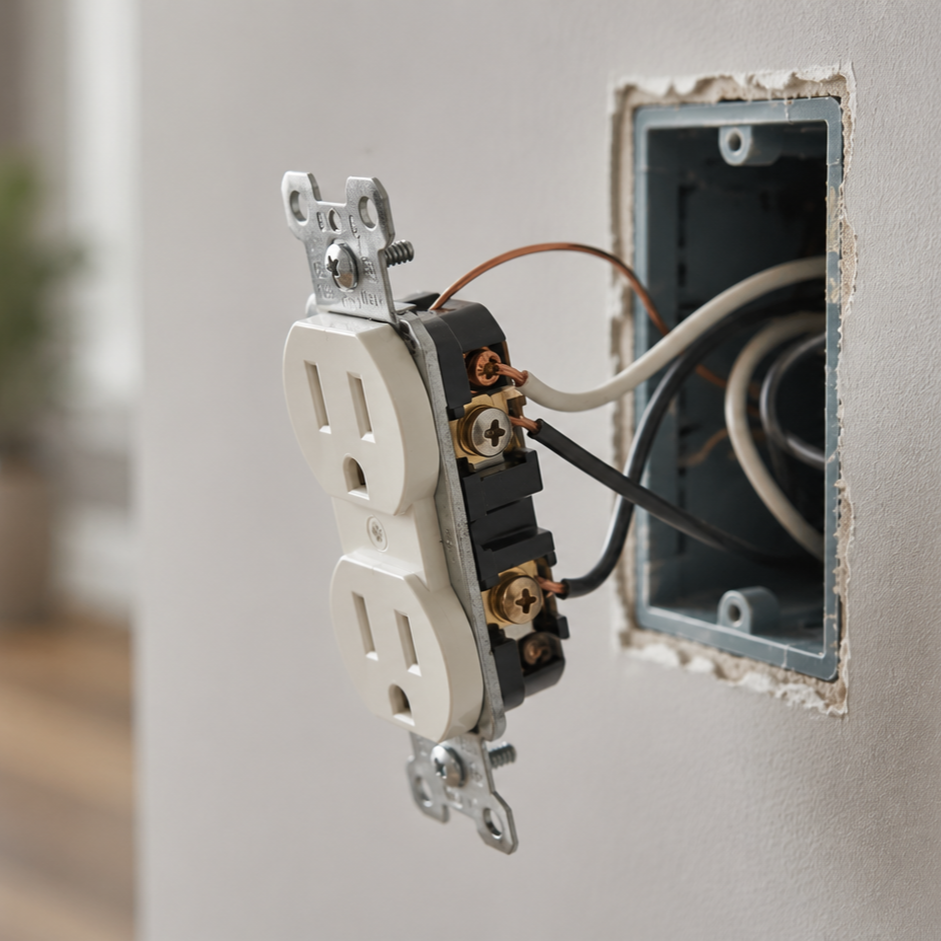
Read MoreAn outlet or switch plate covers a small metal junction where wires connect to a device, designed to carry current all day without producing noticeable heat.
Read MoreA whole-house outage has an obvious story: the utility is out, or the main breaker tripped. A partial loss with an intact main breaker doesn't fit that story, so the instinct is to assume it's minor and will sort itself out.
Read MoreThat instinct to dismiss it is understandable. A panel is supposed to sit quietly in the background, doing its job without asking for attention.
Read MoreThese older panel brands are known for breakers that don't trip when they should. Here's how to spot one and why replacement is the standard fix.
Read MoreThe power has been out for a couple of hours, the food in the freezer is starting to worry you, and the portable generator in the garage runs fine out on the patio.
Read MoreWhen part of a room goes dead while the rest keeps running, the wiring is pointing at something specific: power has failed at one point on a chain, not across the whole circuit.
Read MoreThe air conditioning has been grinding away all afternoon, someone starts the microwave while the dryer is tumbling, and the breaker in the garage clicks off.
Read MoreHome charging comes in two flavors, Level 1 and Level 2, and the whole decision lives in the gap between them.
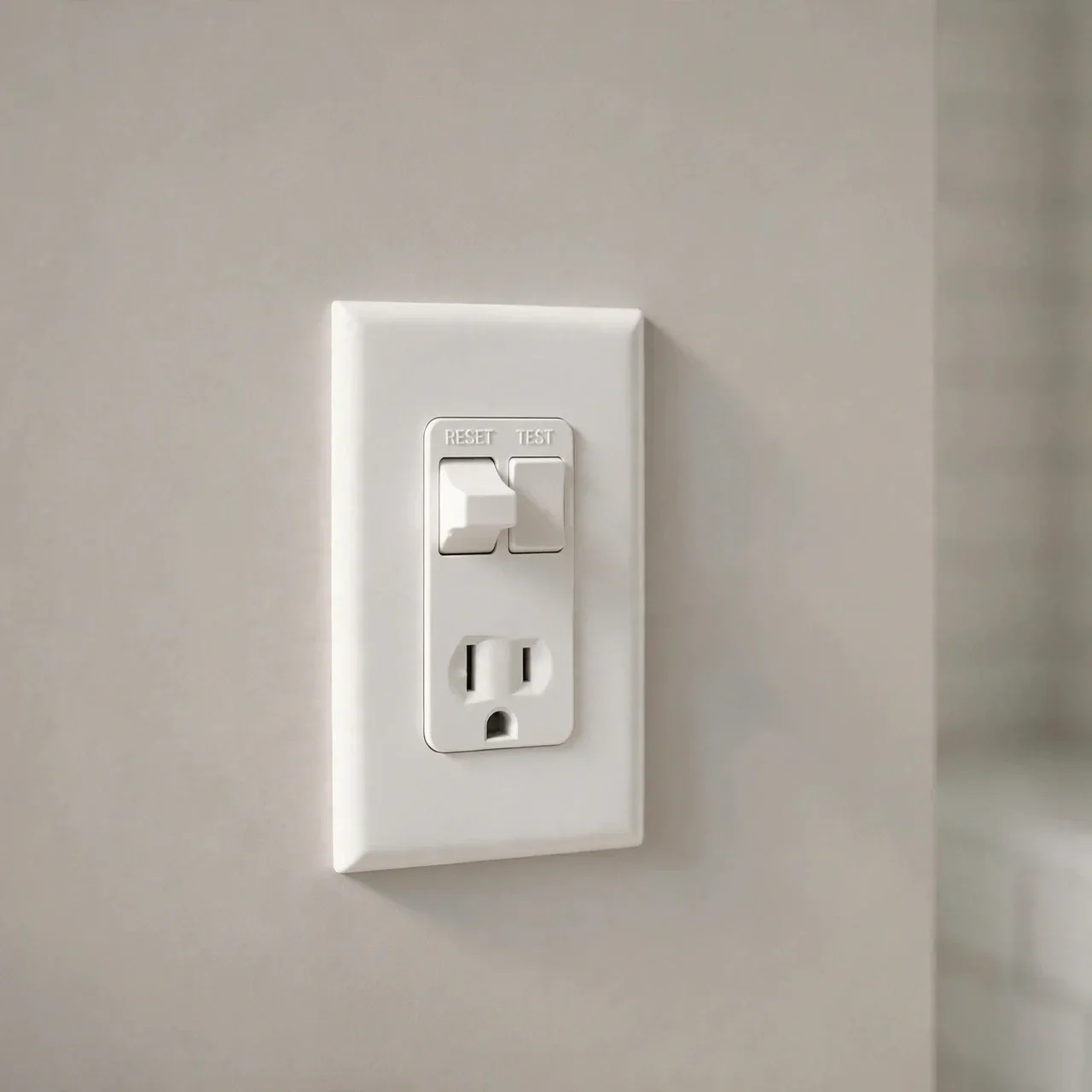
Read MoreTwo small buttons, two acronyms that look nearly identical stamped on a breaker, and a lot of homeowners file GFCI and AFCI under the same heading: "the safety outlet."
Read MoreA 100-amp service is not a problem by itself. Plenty of homes run on one for decades without a hiccup. The question is never "is 100 amps bad," it is "does what you actually run, and what you are about to add, still fit inside 100 amps."
Read MoreA GFCI is not being temperamental when it does this. It is the one device in your house built to cut power the instant something is wrong, and a recurring trip means the fault is still there.
Read MoreAluminum on a branch circuit is not a fire waiting to happen the second you notice it. The metal carries current safely along its length, just as it does in the large feeders that still serve many ranges, dryers, and service panels today.
Read MoreA surge is a brief spike in voltage, lasting millionths of a second, that pushes the system above its normal level. Household circuits typically run at a nominal 120 volts to each hot leg.
Read MoreAsk five people whether a new EV charger requires a panel upgrade, and you will get five answers: half insisting it is mandatory, the other half swearing it is never needed.
Read MoreWhether the space will house an office, restaurant, or retail store, several key factors should be considered when planning the electrical system for a new tenant build-out.
Read More