
Custom Electrical Layouts for Multi-Tenant Spaces
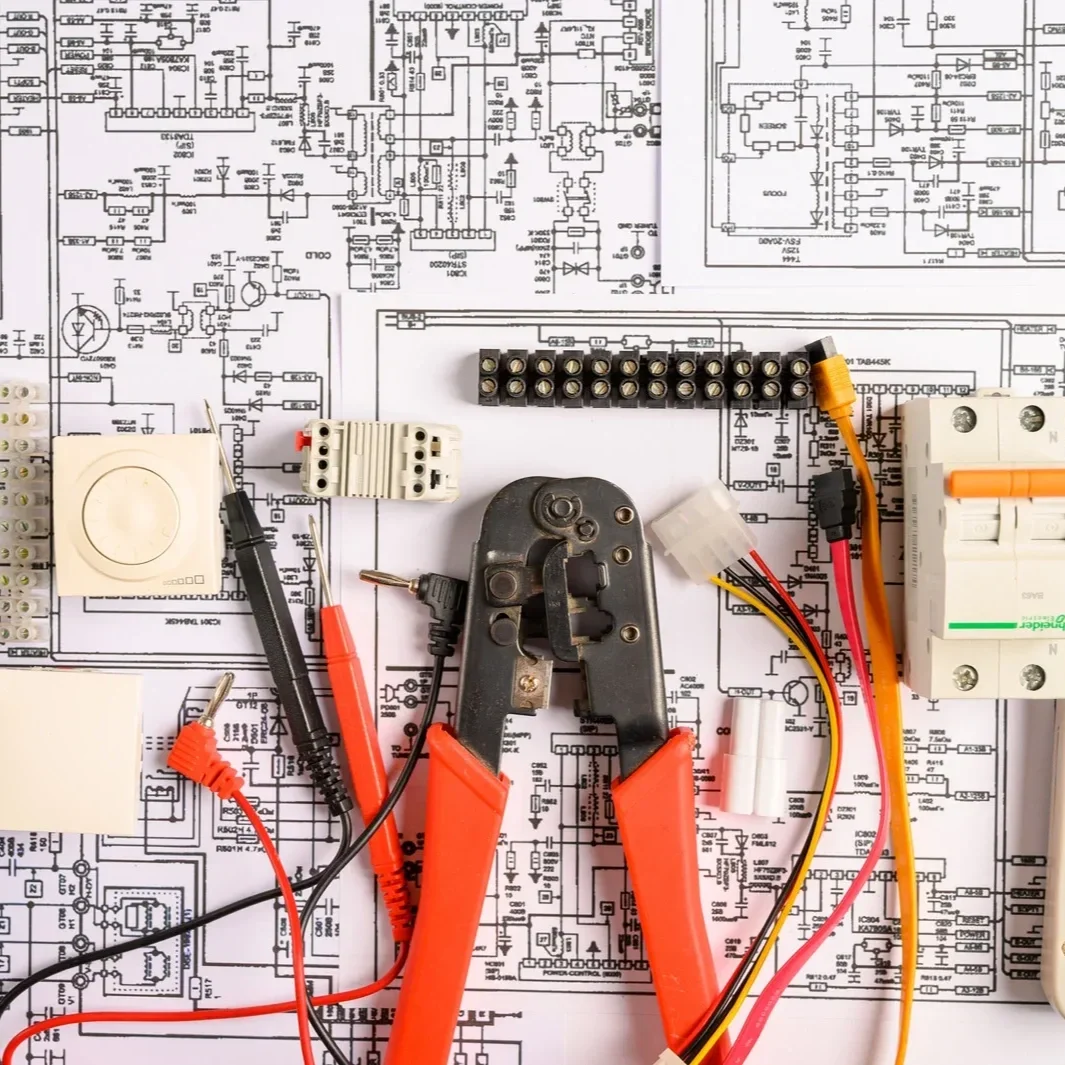
A well-planned electrical system is key to attracting and retaining tenants while keeping maintenance costs low and energy consumption in check.
When managing a multi-tenant building, one of the most important factors to consider is the electrical layout. Whether the building serves as office spaces, retail stores, or mixed-use properties, designing a custom electrical layout can make all the difference in efficiency, safety, and tenant satisfaction. A well-planned electrical system is key to attracting and retaining tenants while keeping maintenance costs low and energy consumption in check.
Multi-tenant spaces present unique challenges. Tenants have different needs, different equipment, and varying electricity usage patterns. Customizing the electrical layout to suit these varying demands requires careful planning and attention to detail. Let's take a closer look at why and how creating custom electrical layouts is essential for multi-tenant spaces.
Maximizing Flexibility for Tenants
Each tenant in a multi-tenant space has specific electrical needs based on their business or usage requirements. Offices may need more power for computers and lighting, while retail stores might require additional outlets for display lighting or point-of-sale systems. Industrial spaces might demand heavy-duty equipment and machinery.
By providing custom electrical layouts, you can tailor each tenant's setup to fit their exact needs. For example, a small office tenant may only require basic outlets and lighting, while a restaurant may need a more complex electrical setup to handle commercial kitchen equipment. Planning for flexibility allows tenants to modify their spaces without worrying about a lack of power outlets or inadequate circuits. This can save time and hassle during tenant turnover and prevent costly electrical modifications later on.
One important consideration is providing separate circuits for each tenant. This can help prevent overloading, especially in shared spaces where electrical usage can vary significantly. With separate circuits, tenants are responsible for their own energy consumption, helping to avoid disputes about utility costs.
Improving Energy Efficiency
Energy efficiency is top of mind for most businesses today. Not only does it help reduce energy costs, but it also aligns with sustainability goals. By installing energy-efficient lighting, smart thermostats, and other energy-saving devices, you can improve the overall performance of your building's electrical system while providing tenants with a greener, more cost-effective environment.
Incorporating energy-efficient lighting, such as LEDs, in communal spaces and hallways is a simple yet effective upgrade. Installing motion sensors in these areas can also prevent lights from being left on unnecessarily, further reducing energy consumption. For office spaces and retail units, offering the option to install LED lights or other energy-saving devices can be an attractive selling point for potential tenants looking to lower overhead costs.
Smart energy management systems can also be fused into the building's electrical layout. These systems allow real-time monitoring of energy usage and can automatically adjust settings to meet the building's needs. For example, heating and cooling can be optimized only to run when tenants are present, or lighting can adjust based on ambient daylight.
Simplifying Maintenance and Upgrades
Electrical layouts for multi-tenant spaces need to be simple to maintain and flexible for upgrades. With custom systems, you can plan for easy access to critical components like circuit breakers, wiring panels, and outlets. This makes it easier for technicians to troubleshoot and resolve issues, minimizing downtime for tenants.
Additionally, by anticipating the building's future needs, you can design the electrical system with built-in flexibility for future upgrades. For example, leave space in the electrical panels for additional circuits or install extra conduits to accommodate future wiring needs. As tenant businesses grow, they may require more power, and a layout that anticipates future upgrades helps prevent costly and disruptive retrofits down the road.
Designing for Safety and Code Compliance
Safety is always a priority when designing an electrical layout for a multi-tenant space. Electrical systems must comply with local codes and regulations, and a poorly designed layout can pose safety hazards, including fire risks, electrical surges, and equipment malfunctions. Ensuring that your electrical layout meets all safety standards and local codes is not just about conforming to legal requirements, but also about protecting your building and your tenants.
Proper grounding and surge protection are essential for preventing damage to sensitive equipment and reducing the risk of electrical fires. Installing individual electrical panels for each tenant can also enhance safety by isolating their power usage. In case of a problem, it's easier to isolate and resolve the issue without affecting the entire building.
Upgrading older systems to meet modern standards is another critical consideration. Older electrical systems may not be equipped to handle the increased demand of modern businesses. If your building has aging electrical infrastructure, a custom electrical layout can bring it up to code and improve overall efficiency.
Improving Tenant Retention with Custom Layouts
Tenants look for spaces that support their specific business needs. A custom electrical layout designed to meet each tenant's unique demands demonstrates that you understand their needs and are willing to invest in creating a space where they can thrive. The more you can accommodate tenants' electrical needs, the more likely they are to stay longer and recommend the space to others.
For example, a tenant in a retail space might appreciate dedicated outlets and circuits for their security systems, point-of-sale systems, and signage. An office tenant might value the flexibility of additional outlets or the option to install smart thermostats. By tailoring the electrical system, you can create a more attractive space that supports their productivity and comfort.
Improving the overall tenant experience with a custom electrical layout doesn't just help with retention; it can also give your building a competitive edge. In a market where tenants have multiple options, a space with flexible and well-designed electrical systems stands out. It shows potential tenants that the building owner is proactive and willing to make their experience as seamless as possible.
Cost-Effective Design
Custom electrical layouts don't have to come at an exorbitant price. In fact, by carefully planning each layout to meet the specific needs of the space and tenants, you can avoid unnecessary electrical upgrades and expensive reworks. By utilizing energy-efficient solutions, optimizing the number of outlets and circuits, and strategically placing equipment, you can help keep costs manageable.
Incorporating energy-saving solutions from the start is a great way to lower operational costs for both you and your tenants. Additionally, designing with future flexibility in mind can help minimize the costs of future upgrades. Custom electrical layouts help you get the most out of your investment and deliver long-term value.
Conclusion
Creating custom electrical layouts for multi-tenant spaces is essential for both building owners and tenants. By designing a system that maximizes flexibility, energy efficiency, safety, and future-proofing, you can provide a space that supports tenant needs while minimizing costs and maintenance. With the proper planning, your building will not only meet current demands but also adapt to future changes in technology, energy use, and tenant requirements.
A custom electrical layout is an investment in your building's long-term success. It offers a competitive edge in the market, helps retain tenants, and enhances the overall tenant experience. Whether you're planning a new building or upgrading a current one, taking the time to create a thoughtful and well-designed electrical layout will pay off for years to come.
Efficient Electric is a licensed and insured electrician providing a wide range of residential and commercial electrical services to the Phoenix Valley area residents for over a decade. Whether you need fluorescent ballasts upgrade and improvement or looking for tenant improvements, our team can offer lasting solutions. Call now!