
End-of-Lease Electrical Fixes That Reduce Turnover Delays
By identifying and resolving these issues beforehand, property owners and managers can provide a smooth transition for new tenants, while also avoiding unnecessary downtime between leases.
Managing a multi-tenant commercial space often means facing a rush of activity at the end of a lease. Tenant improvements, necessary repairs, and upgrades can take time, especially when electrical systems are involved. When a tenant vacates, timely repairs and improvements to the electrical system are essential to reduce turnover delays and make the space appealing to the next occupant. Addressing electrical fixes proactively and efficiently helps avoid costly delays, guarantees compliance, and maintains tenant satisfaction.
Understanding the common electrical issues that arise at the end of a lease is key to speeding up the process. By identifying and resolving these issues beforehand, property owners and managers can provide a smooth transition for new tenants, while also avoiding unnecessary downtime between leases.
Common Electrical Issues at Lease End
At the end of a lease, tenants may leave behind electrical systems that no longer meet their needs or are in disrepair. Depending on the type of tenant and their business operations, the condition of the electrical systems may range from minor concerns to more significant problems.
Over time, tenants often modify their space, adding outlets, lights, or machinery without considering the long-term impact on the electrical infrastructure. These additions can cause circuit overloads, wiring issues, or faulty ballasts. Whether the issue stems from improper use, wear, or changes made to accommodate a particular business type, addressing these electrical fixes quickly can prevent delays.
Some common electrical problems found at the end of a lease include:
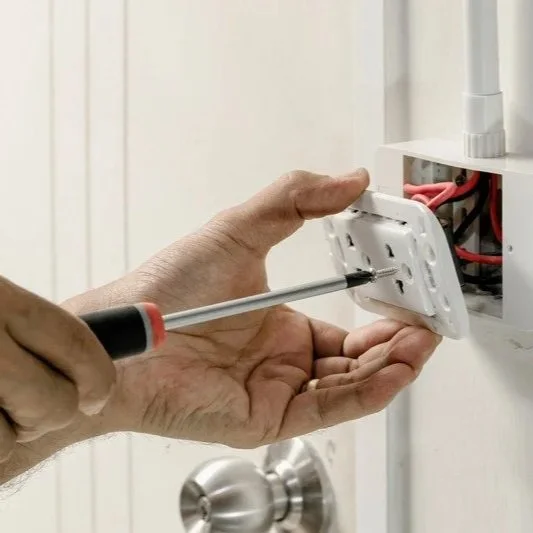
Malfunctioning outlets or switches.
Overloaded circuits or faulty wiring.
Broken or outdated lighting systems.
Non-functional emergency or exit lighting
Outdated electrical panels that need updating.
Properly identifying and fixing these issues can make the space more appealing to potential tenants while eliminating the need for last-minute repairs or costly emergency services.
Conducting a Thorough Electrical Inspection
Before jumping into any repairs, conducting a comprehensive electrical inspection is critical. A professional electrician can assess the condition of all electrical components, including wiring, outlets, circuit breakers, lighting, and safety systems. The inspection should cover both tenant-specific alterations and the building’s original electrical infrastructure.
The electrician will look for:
Signs of wear: Electrical systems, like any infrastructure, age over time. An inspection helps identify any areas that are no longer up to code or that need to be upgraded.
Faulty components: Broken outlets, malfunctioning switches, or worn wiring all contribute to safety hazards and operational inefficiency. If these issues are not addressed, it may scare away potential tenants.
Compliance issues: Regulations and codes often change. A system that met code a few years ago may no longer be compliant. Upgrading electrical systems to meet current codes is not only crucial for safety but also necessary for the lease renewal process.
Conducting a thorough inspection at the end of each lease term can save time and money in the long run, preventing the need for rush repairs or emergency fixes.
Updating or Replacing Outdated Components
At the end of a lease, it is a good idea to upgrade any outdated electrical components. For example, fluorescent lighting might be commonplace in older buildings, but it consumes a lot of energy and requires constant maintenance. Replacing old ballasts, bulbs, and fixtures with energy-efficient alternatives, like LEDs, can improve the overall quality of the space while reducing future maintenance costs.
In addition to lighting upgrades, outdated electrical panels may need to be replaced. Older systems may not support modern technology and can cause safety issues. By upgrading the electrical panels, you increase the capacity and reliability of the electrical system, making the space more appealing to future tenants who rely on technology and energy-efficient systems.
By focusing on updating these components, landlords not only address safety concerns but also improve the overall aesthetic and functionality of the space, helping it stand out in a competitive leasing market.
Prioritizing High-Traffic Areas and Common Areas
One area often overlooked during end-of-lease electrical fixes is the lighting in high-traffic or common areas. Hallways, entryways, bathrooms, and stairwells may not receive the same level of attention as individual tenant spaces, but are just as important to the overall appeal of the building.
Making sure that lighting fixtures are in working order, that lighting is energy-efficient, and that all common areas are adequately illuminated provides an inviting atmosphere for potential tenants. Adding motion-sensing lights in hallways and bathrooms can save energy costs and add a layer of convenience for tenants who prefer automated systems.
Furthermore, common areas such as the lobby or waiting area should be well-lit, creating a welcoming and professional ambiance. The better the appearance of these spaces, the more likely tenants are to see the building as a viable and attractive option.
Fixing Emergency and Exit Lighting
Emergency and exit lighting is an essential component of a commercial property. At the end of a lease, these systems should be checked and replaced if necessary to verify that the building complies with local safety codes. Inadequate emergency lighting systems can cause significant delays in lease turnover, especially if building code violations are discovered during the inspection process.
If a tenant has altered or damaged these systems, the repairs should be a top priority. Exit signs, emergency lights, and backup power supplies should be in perfect working order before the new tenant moves in.
Addressing Tenant-Specific Electrical Modifications
During a lease, tenants often make electrical modifications to suit their specific needs. For example, restaurants may install additional outlets to accommodate kitchen equipment, while retail tenants may add displays, signage, or security systems. At the end of the lease, these modifications should be carefully inspected and either removed or updated.
Restoring the electrical layout to its original state is crucial for reducing turnover delays. A professional should inspect electrical work done by the tenant to guarantee that it adheres to safety standards and does not present any risks to future tenants.
When removing tenant-installed electrical systems, be sure to properly dispose of old or broken equipment to prevent any clutter or safety hazards. Restoring the space to a neutral electrical setup gives the new tenant a blank slate to make their own adjustments.
Planning for Future Upgrades
While the immediate goal at the end of a lease is to complete repairs and upgrades quickly, it’s also a good time to plan for future improvements. As technology advances and energy standards evolve, future tenants will likely require upgrades such as more outlets, faster wiring, or enhanced energy efficiency. While it’s essential to fix current issues, making space for future upgrades will help reduce maintenance costs and future turnover delays.
By investing in forward-thinking electrical solutions now, you can make the space more attractive to future tenants and minimize the need for significant changes down the line.
Conclusion
Reducing turnover delays at the end of a lease involves more than just a quick fix; it’s about improving the functionality, safety, and appeal of the space. By addressing electrical issues proactively, updating outdated systems, and preparing for future tenant needs, property owners and managers can speed up the transition process and avoid unnecessary downtime.
Electrical fixes at lease end aren’t just about keeping the lights on—they’re about keeping the space appealing and functional for the next occupant. A thoughtful, well-executed electrical plan can help you avoid delays, cut costs, and enhance tenant satisfaction, making the lease turnover process smooth and seamless.
If you need a highly reviewed, licensed electrician in the Phoenix Valley area, call Efficient Electric. We have a team of professional and experienced electricians, working tirelessly to keep your electrical system working effortlessly. Call now, we would love to hear from you!