
Safe and Efficient Ceiling Fan Installation for Any Room
From choosing the right fan to the actual installation process, taking the necessary steps will make sure your ceiling fan works as smoothly and safely as possible for years to come.
Ceiling fans do more than provide a breeze; they're an efficient way to keep a room cool during warmer months while maintaining energy efficiency. Properly installed, they can significantly reduce the need for air conditioning, saving you money on electricity bills. Installing a ceiling fan is not a simple plug-and-play task, and getting it right is key to both functionality and safety. From choosing the right fan to the actual installation process, taking the necessary steps will make sure your ceiling fan works as smoothly and safely as possible for years to come.
Choosing the Right Ceiling Fan for Your Space
Before any installation, choosing the right ceiling fan for the room is essential. The room's size will determine the fan size needed. A fan that's too small may not circulate air effectively, while one that's too large for the space can be overpowering. Standard ceiling fans come in a variety of sizes, typically ranging from 29 to 54 inches in diameter. For smaller rooms, such as a bedroom, a fan between 29 and 42 inches works best. Larger rooms, such as living rooms or open spaces, require a fan that's between 44 and 54 inches to circulate air properly.
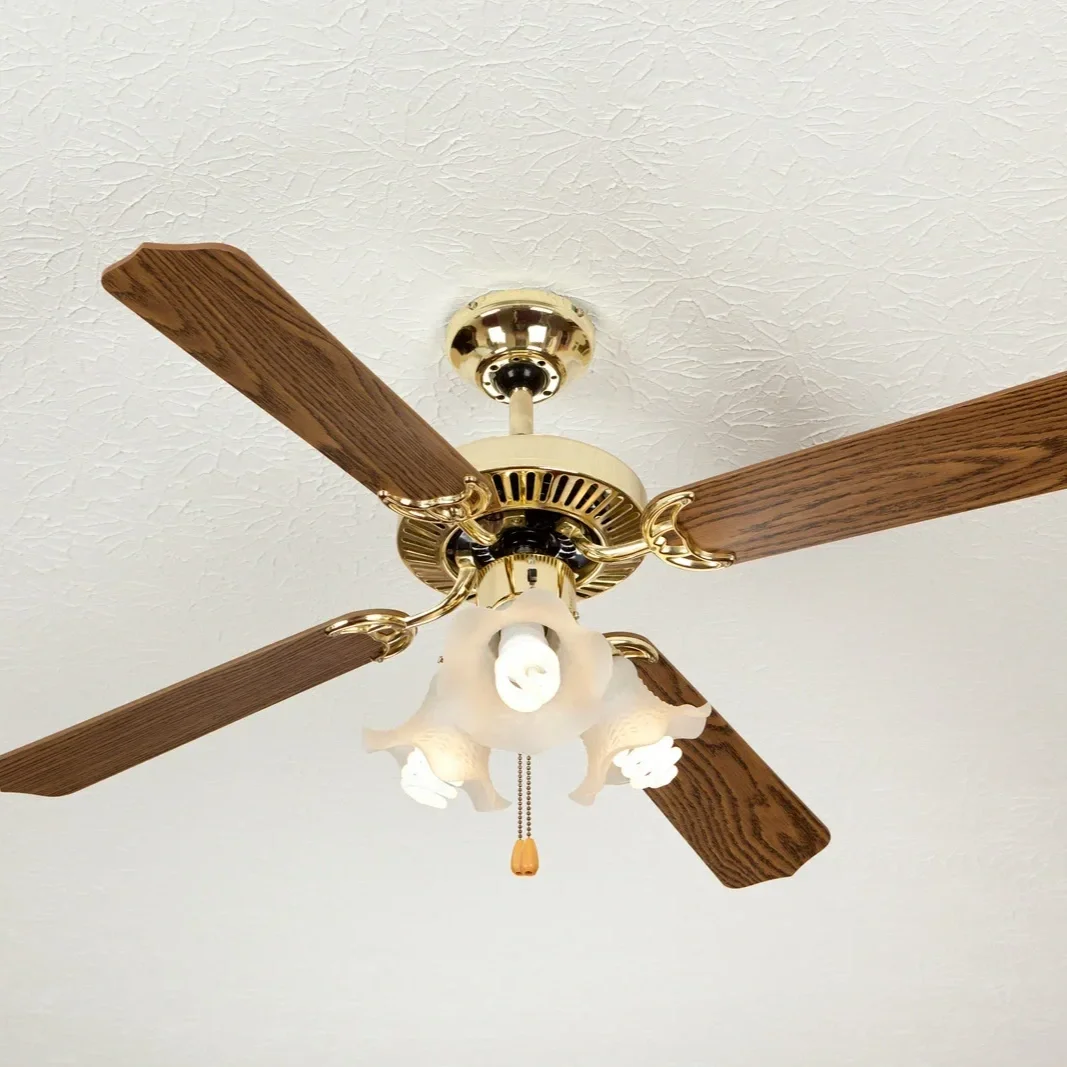
Additionally, the fan's style and design should complement the room's decor. Fans are available in modern, traditional, and even rustic styles, with varying blade materials, finishes, and lighting options. Lighting features like integrated lights or chandeliers are helpful if you want to combine illumination with cooling. Matching the fan's design to the room's aesthetics makes for a seamless look while delivering comfort.
Proper Placement and Mounting
Finding the right location to install a ceiling fan is vital for both efficiency and safety. A fan should be mounted in the center of the room for optimal airflow and balanced coverage. It's also important to make sure the fan is at least 7-9 feet above the floor to verify optimal air circulation and reduce the risk of accidents. Ceiling fans should also be installed at least 18 inches away from walls or any obstructions to maximize airflow. For vaulted or high ceilings, a downrod can extend the fan's reach, bringing it down to the ideal height.
In addition to positioning, the fan should be mounted to a sturdy ceiling box. Older homes or ceilings may have outdated or undersized electrical boxes that aren't designed to support the weight and motion of a ceiling fan. Installing a fan in an inadequate box is dangerous and can cause severe damage or injury. When mounting a ceiling fan, use a fan-rated box that can withstand the fan's weight and vibrations over time.
Electrical Considerations for Ceiling Fan Installation
Before you start installing, it's crucial to understand the electrical work involved. Ceiling fans draw power from the same electrical system that powers the room's lights, and the fan's wiring needs to be properly integrated into the existing system. Make sure the fan is installed on a dedicated circuit and that the wiring and switches are up to code.
If you're replacing an existing light fixture with a ceiling fan, you'll need to check the wiring setup. Fans often have a higher electrical demand than simple light fixtures, so it's essential that the wiring is sufficient. If the existing wiring isn't adequate for the fan, upgrading it might be necessary. An electrician can verify the fan's power requirements and verify your home's wiring can support the load.
A ceiling fan with a light also requires the proper switch to operate. Some fans come with a pull chain, while others can be controlled with a wall switch or remote control. When installing the fan, you may need to replace a standard wall switch with a dual switch to control both the fan and light separately. If you want added functionality, a remote control or wall-mounted control panel can make adjusting the fan's speed or lighting more convenient.
Safety Measures During Installation
Safety is a key factor in ceiling fan installation, and precautions must be taken at every step. If you're not familiar with electrical work or don't feel comfortable installing the fan yourself, hiring a professional is the best option. Installing a ceiling fan involves handling wiring and working with electrical systems, which can be dangerous if not done properly. A licensed electrician will confirm the installation meets local building codes and is performed safely.
For those comfortable with DIY installations, always be sure to turn off the power at the circuit breaker before working on the electrical system. If you're mounting the fan where there's already a light fixture, carefully remove the old fixture and inspect the mounting box. The box must be fan-rated and capable of supporting the fan's weight and vibrations. If it's not, it will need to be replaced with one that is.
When connecting the fan's wiring, take special care to match the colors correctly—usually black for the fan, white for neutral, and green or copper for ground. Failing to match the wires properly can result in electrical shorts or malfunctions. After all wiring connections are secure, check that the fan is firmly mounted to the ceiling and that the blades spin freely without obstruction. Always double-check your work before turning the power back on.
Maintaining Your Ceiling Fan
After installation, it's essential to perform routine maintenance to keep your fan operating efficiently. Dust and debris can build up on the fan blades, causing imbalance and reducing airflow. Every few months, dust the blades with a soft cloth, and clean the light fixtures, if applicable. If you notice any wobbling or unusual noise, check that the fan blades are safely attached and that the fan is balanced. Over time, ceiling fans can develop a slight wobble if they're not balanced correctly. This can usually be fixed by adjusting the blade weight distribution.
Additionally, ceiling fan motors and parts may need occasional lubrication. Check your fan's manual to see if the manufacturer recommends any specific maintenance, such as lubricating the motor or cleaning the internal components. Keeping the fan in good working order will extend its life and continue providing efficient cooling and airflow.
Energy Efficiency with Ceiling Fans
Ceiling fans are an energy-efficient option designed to circulate air and cool your home. Unlike air conditioners, which consume significant energy, ceiling fans use far less electricity. When paired with air conditioning, they help distribute cool air more evenly, allowing you to set your thermostat higher without sacrificing comfort. In the winter, you can even reverse the fan's direction to push warm air down and circulate heat more evenly throughout the room.
While installing a ceiling fan requires careful planning and attention to detail, it's a worthwhile upgrade that can increase both comfort and efficiency in your home. Whether you're creating a cozy bedroom retreat or adding a cool breeze to a living area, proper ceiling fan installation can improve airflow and energy usage, all while keeping your space comfortable and stylish.
If you need a highly-reviewed, licensed electrician in the Phoenix Valley area, call Efficient Electric. We have a team of professional and experienced electricians, working tirelessly to keep your electrical system working effortlessly. Call now, we would love to hear from you!